
Unlocking Lucrative Opportunities for Vietnam Product Export
Vietnam product export encompass a diverse range of goods, reflecting the country's dynamic economy and competitive industries. From world-renowned Vietnamese coffee and high-quality textiles to cutting-edge telecommunications equipment and electronics parts, these products showcase Vietnam's commitment to excellence and innovation on the global stage.
Content
In recent years, Vietnam has emerged as a favored destination for businesses worldwide. With a surge in companies relocating operations to Vietnam to circumvent rising costs and complex regulatory environments elsewhere, the country has positioned itself as a key player in global trade. According to the Economic Complexity Index (ECI), Vietnam ranks as the 21st largest export economy globally and the 83rd most compact economy. Despite challenges, Vietnam maintains a positive trade balance, reflecting its active import-export activities. With a population exceeding 90 million, Vietnam presents an enticing market for international enterprises. Situated strategically within Southeast Asia, Vietnam serves as an ideal export hub for accessing other ASEAN markets and beyond. Vietnam's prowess in low-cost manufacturing surpasses many emerging market competitors in the region, with the manufacturing sector contributing 25 percent to the country's total GDP in 2015.
In Vietnam, the current situation of coffee export is notable. The country stands as one of the major players in the global coffee market, with a significant share of the world's coffee exports originating from its plantations. Vietnam's coffee export sector has witnessed steady growth in recent years, fueled by increasing demand from international markets. This growth can be attributed to several factors, including favorable climate conditions for coffee cultivation, strategic investments in infrastructure and technology, and effective marketing strategies employed by Vietnamese coffee producers.
Despite facing challenges such as fluctuating global coffee prices and competition from other coffee-producing countries, Vietnam has managed to maintain its position as one of the leading coffee exporters globally. The government has implemented various policies to support the coffee industry, including providing financial assistance to coffee farmers, promoting sustainable farming practices, and facilitating trade agreements to expand market access for Vietnamese coffee products.
Moreover, Vietnam has diversified its coffee product offerings to cater to different market segments, including specialty coffee varieties targeting niche consumer preferences. This diversification has enabled Vietnamese coffee exporters to capture a larger share of the global coffee market and establish a reputation for quality and reliability.
Looking ahead, Vietnam's coffee export sector continues to show promise, with opportunities for further growth and expansion. By focusing on innovation, sustainability, and market diversification, Vietnamese coffee producers can capitalize on emerging trends and maintain their competitive edge in the global coffee industry.
Despite facing challenges such as fluctuating global rice prices and competition from other rice-exporting nations, Vietnam has managed to maintain its position as a key player in the global rice market. Vietnamese rice exporters have adapted to changing market dynamics by diversifying their product offerings and targeting niche markets, including organic and specialty rice varieties. Additionally, the government has actively pursued trade agreements to expand market access for Vietnamese rice products, enhancing the competitiveness of the country's rice export sector on the international stage.
Looking ahead, Vietnam's rice export industry continues to show potential for further growth and expansion. By leveraging its strengths in rice production, investing in technology and infrastructure, and adopting sustainable farming practices, Vietnam can capitalize on emerging opportunities in the global rice market. With strategic initiatives and a commitment to quality, Vietnam is well-positioned to strengthen its position as a leading rice exporter and contribute to the country's overall economic development.
Vietnam's textile and garment exports encompass a diverse range of products, including clothing, fabrics, and accessories. The country has established itself as a leading exporter of textiles and apparel to various international markets, catering to the diverse preferences and requirements of consumers worldwide. Vietnamese textile and garment manufacturers have leveraged their expertise to produce a wide array of products, from casual wear to high-end fashion garments, meeting the demands of both mass-market and niche segments.
In addition to traditional export markets, Vietnam's textile and garment industry has also expanded its presence in emerging markets, capitalizing on growing consumer demand and favorable trade conditions. The government has implemented policies to support the growth of the textile and garment export sector, including incentives for investment, trade promotion activities, and initiatives to enhance product quality and innovation.
Looking ahead, Vietnam's textile and garment export sector continues to show promising prospects for further expansion and development. By embracing technological advancements, adopting sustainable practices, and exploring new market opportunities, Vietnam can strengthen its position as a leading exporter of textiles and apparel on the global stage. With its competitive advantages and commitment to excellence, Vietnam is poised to continue driving growth and innovation in the textile and garment export industry.
Vietnam has emerged as a major exporter of telephone and electronics parts, supplying a wide range of products to global markets. The country's competitive pricing, coupled with its reputation for quality and reliability, has positioned it as a preferred sourcing destination for many international electronics manufacturers.
Vietnamese companies specializing in the production of telephone and electronics parts have capitalized on the country's strengths, leveraging advanced manufacturing processes and innovative technologies to meet the diverse needs of customers worldwide. Additionally, Vietnam's participation in international trade agreements has facilitated market access and enhanced the competitiveness of its telephone and electronics parts exports.
The government has played a proactive role in supporting the growth of the telephone and electronics parts export sector, implementing policies to encourage investment, promote research and development, and improve the business environment. These efforts have helped Vietnam attract foreign direct investment and fostered collaboration between domestic and international companies in the electronics industry.
Looking ahead, Vietnam's export of telephone and electronics parts is poised for further growth and expansion. By continuing to invest in technology and innovation, enhancing productivity and efficiency, and diversifying export markets, Vietnam can solidify its position as a leading exporter of telephone and electronics parts and contribute to the country's overall economic development.
Moreover, Vietnam's participation in trade agreements like the CPTPP and EVFTA enhances market access for its wood exports. Sustainable forestry management practices and certification programs further boost the industry's credibility in environmentally conscious markets. Additionally, the government's support for investment and favorable policies attract both domestic and foreign investors, facilitating technology upgrades and capacity expansion.
Furthermore, Vietnam wood exports are not only targeting traditional markets but also expanding into emerging markets, diversifying export destinations and enhancing resilience to economic fluctuations. With these factors combined, Vietnam's wood industry presents promising export opportunities for those looking to capitalize on its strengths and potential in the global market.
In the coming years, Vietnam will continue to affirm its position as one of the leading exporting countries in the region and the world. With stable development in industries such as wood, coffee, textiles, electronics, and telecommunications, Vietnam has been creating numerous new export opportunities.
By leveraging its natural resources, high-quality labor force, and favorable business environment, Vietnam can expand its export market and access other potential regions worldwide. Additionally, active participation in international trade agreements will enhance competitiveness and broaden export opportunities for "Vietnam product export" items.
However, to fully exploit these potentials and opportunities, Vietnam needs to continue investing in improving product quality, enhancing competitiveness, and promoting export-supportive measures. Through innovation and commitment to sustainable development, Vietnam will be able to strengthen its position in the international market and contribute to the comprehensive development of the country.
Top 5 Export Products of Vietnam
Coffee
Vietnam is poised to become the world's largest coffee producer and exporter, currently ranking second only to Brazil. The competitive landscape has intensified with the entry of national and foreign competitors like Starbucks and South Korea's Cafe.In Vietnam, the current situation of coffee export is notable. The country stands as one of the major players in the global coffee market, with a significant share of the world's coffee exports originating from its plantations. Vietnam's coffee export sector has witnessed steady growth in recent years, fueled by increasing demand from international markets. This growth can be attributed to several factors, including favorable climate conditions for coffee cultivation, strategic investments in infrastructure and technology, and effective marketing strategies employed by Vietnamese coffee producers.
Despite facing challenges such as fluctuating global coffee prices and competition from other coffee-producing countries, Vietnam has managed to maintain its position as one of the leading coffee exporters globally. The government has implemented various policies to support the coffee industry, including providing financial assistance to coffee farmers, promoting sustainable farming practices, and facilitating trade agreements to expand market access for Vietnamese coffee products.
Moreover, Vietnam has diversified its coffee product offerings to cater to different market segments, including specialty coffee varieties targeting niche consumer preferences. This diversification has enabled Vietnamese coffee exporters to capture a larger share of the global coffee market and establish a reputation for quality and reliability.
Looking ahead, Vietnam's coffee export sector continues to show promise, with opportunities for further growth and expansion. By focusing on innovation, sustainability, and market diversification, Vietnamese coffee producers can capitalize on emerging trends and maintain their competitive edge in the global coffee industry.
Rice
Vietnam rice export sector stands as a crucial component of the country's economy, contributing significantly to its overall export revenue. With its favorable climate and fertile land, Vietnam has emerged as one of the world's leading rice exporters, earning recognition for the quality and variety of its rice products. The government has implemented policies to support and promote rice production, facilitating the growth of the rice export industry.Despite facing challenges such as fluctuating global rice prices and competition from other rice-exporting nations, Vietnam has managed to maintain its position as a key player in the global rice market. Vietnamese rice exporters have adapted to changing market dynamics by diversifying their product offerings and targeting niche markets, including organic and specialty rice varieties. Additionally, the government has actively pursued trade agreements to expand market access for Vietnamese rice products, enhancing the competitiveness of the country's rice export sector on the international stage.
Looking ahead, Vietnam's rice export industry continues to show potential for further growth and expansion. By leveraging its strengths in rice production, investing in technology and infrastructure, and adopting sustainable farming practices, Vietnam can capitalize on emerging opportunities in the global rice market. With strategic initiatives and a commitment to quality, Vietnam is well-positioned to strengthen its position as a leading rice exporter and contribute to the country's overall economic development.
Textile and Apparel
Vietnam's textile and garment export sector plays a pivotal role in the country's economy, contributing significantly to its overall export revenue. Vietnam has emerged as a prominent player in the global textile and apparel market, renowned for Vietnam product export high-quality products and competitive pricing. The textile and garment industry in Vietnam has experienced robust growth in recent years, driven by factors such as favorable trade agreements, strategic investments in technology and infrastructure, and a skilled workforce.Vietnam's textile and garment exports encompass a diverse range of products, including clothing, fabrics, and accessories. The country has established itself as a leading exporter of textiles and apparel to various international markets, catering to the diverse preferences and requirements of consumers worldwide. Vietnamese textile and garment manufacturers have leveraged their expertise to produce a wide array of products, from casual wear to high-end fashion garments, meeting the demands of both mass-market and niche segments.
In addition to traditional export markets, Vietnam's textile and garment industry has also expanded its presence in emerging markets, capitalizing on growing consumer demand and favorable trade conditions. The government has implemented policies to support the growth of the textile and garment export sector, including incentives for investment, trade promotion activities, and initiatives to enhance product quality and innovation.
Looking ahead, Vietnam's textile and garment export sector continues to show promising prospects for further expansion and development. By embracing technological advancements, adopting sustainable practices, and exploring new market opportunities, Vietnam can strengthen its position as a leading exporter of textiles and apparel on the global stage. With its competitive advantages and commitment to excellence, Vietnam is poised to continue driving growth and innovation in the textile and garment export industry.
Telephone and Electronics Parts
Vietnam product export of telephone and electronics parts has been a significant contributor to the country's export revenue in recent years. The electronics industry in Vietnam has experienced rapid growth, fueled by factors such as favorable government policies, skilled labor force, and strategic investments in infrastructure and technology.Vietnam has emerged as a major exporter of telephone and electronics parts, supplying a wide range of products to global markets. The country's competitive pricing, coupled with its reputation for quality and reliability, has positioned it as a preferred sourcing destination for many international electronics manufacturers.
Vietnamese companies specializing in the production of telephone and electronics parts have capitalized on the country's strengths, leveraging advanced manufacturing processes and innovative technologies to meet the diverse needs of customers worldwide. Additionally, Vietnam's participation in international trade agreements has facilitated market access and enhanced the competitiveness of its telephone and electronics parts exports.
The government has played a proactive role in supporting the growth of the telephone and electronics parts export sector, implementing policies to encourage investment, promote research and development, and improve the business environment. These efforts have helped Vietnam attract foreign direct investment and fostered collaboration between domestic and international companies in the electronics industry.
Looking ahead, Vietnam's export of telephone and electronics parts is poised for further growth and expansion. By continuing to invest in technology and innovation, enhancing productivity and efficiency, and diversifying export markets, Vietnam can solidify its position as a leading exporter of telephone and electronics parts and contribute to the country's overall economic development.
Wood
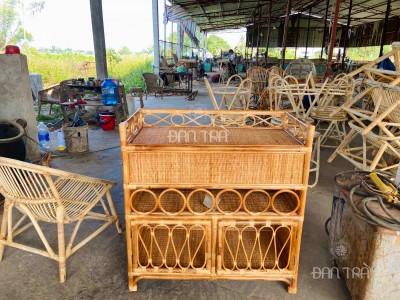
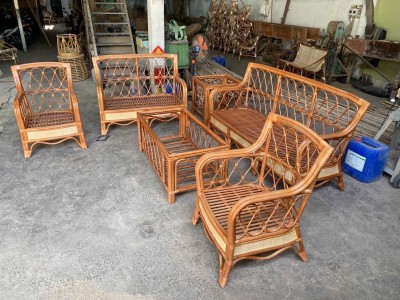
Vietnam wood export with opportunities, driven by a combination of factors. Firstly, the country boasts abundant forestry resources, providing a solid foundation for large-scale production of various wood products. Secondly, there is a growing global demand for wood products, fueled by factors like population growth and urbanization. Vietnam's competitive pricing and commitment to quality make it well-positioned to meet this demand.Moreover, Vietnam's participation in trade agreements like the CPTPP and EVFTA enhances market access for its wood exports. Sustainable forestry management practices and certification programs further boost the industry's credibility in environmentally conscious markets. Additionally, the government's support for investment and favorable policies attract both domestic and foreign investors, facilitating technology upgrades and capacity expansion.
Furthermore, Vietnam wood exports are not only targeting traditional markets but also expanding into emerging markets, diversifying export destinations and enhancing resilience to economic fluctuations. With these factors combined, Vietnam's wood industry presents promising export opportunities for those looking to capitalize on its strengths and potential in the global market.
In the coming years, Vietnam will continue to affirm its position as one of the leading exporting countries in the region and the world. With stable development in industries such as wood, coffee, textiles, electronics, and telecommunications, Vietnam has been creating numerous new export opportunities.
By leveraging its natural resources, high-quality labor force, and favorable business environment, Vietnam can expand its export market and access other potential regions worldwide. Additionally, active participation in international trade agreements will enhance competitiveness and broaden export opportunities for "Vietnam product export" items.
However, to fully exploit these potentials and opportunities, Vietnam needs to continue investing in improving product quality, enhancing competitiveness, and promoting export-supportive measures. Through innovation and commitment to sustainable development, Vietnam will be able to strengthen its position in the international market and contribute to the comprehensive development of the country.



Leave a Reply
Your email address will not be published.