Rattan furniture enjoys widespread popularity across the globe, with its market demand continuing unabated. The sector witnesses rapid innovation, with new designs and styles emerging daily, often setting the trends, particularly during furniture expos. These events showcase a breathtaking array of models and styles, demonstrating the versatility and appeal of rattan furniture. Market offerings range widely in price, reflecting the diverse demand for both affordable and premium rattan products.
Content
In the realm of eco-friendly and sustainable furniture, rattan has emerged as a front-runner, captivating the global market with its versatility, durability, and natural beauty. The demand for rattan furniture has grown, driven by a growing consumer preference for sustainable living and eco-friendly products. Amidst this rising tide, several countries have distinguished themselves as leaders in the rattan furniture export industry. Here, we delve deeper into the top 5 rattan furniture exporting countries, highlighting their achievements, challenges, and the future outlook.
Top 5 rattan furniture exporting countries
Vietnam: A Beacon of Innovation and Sustainability
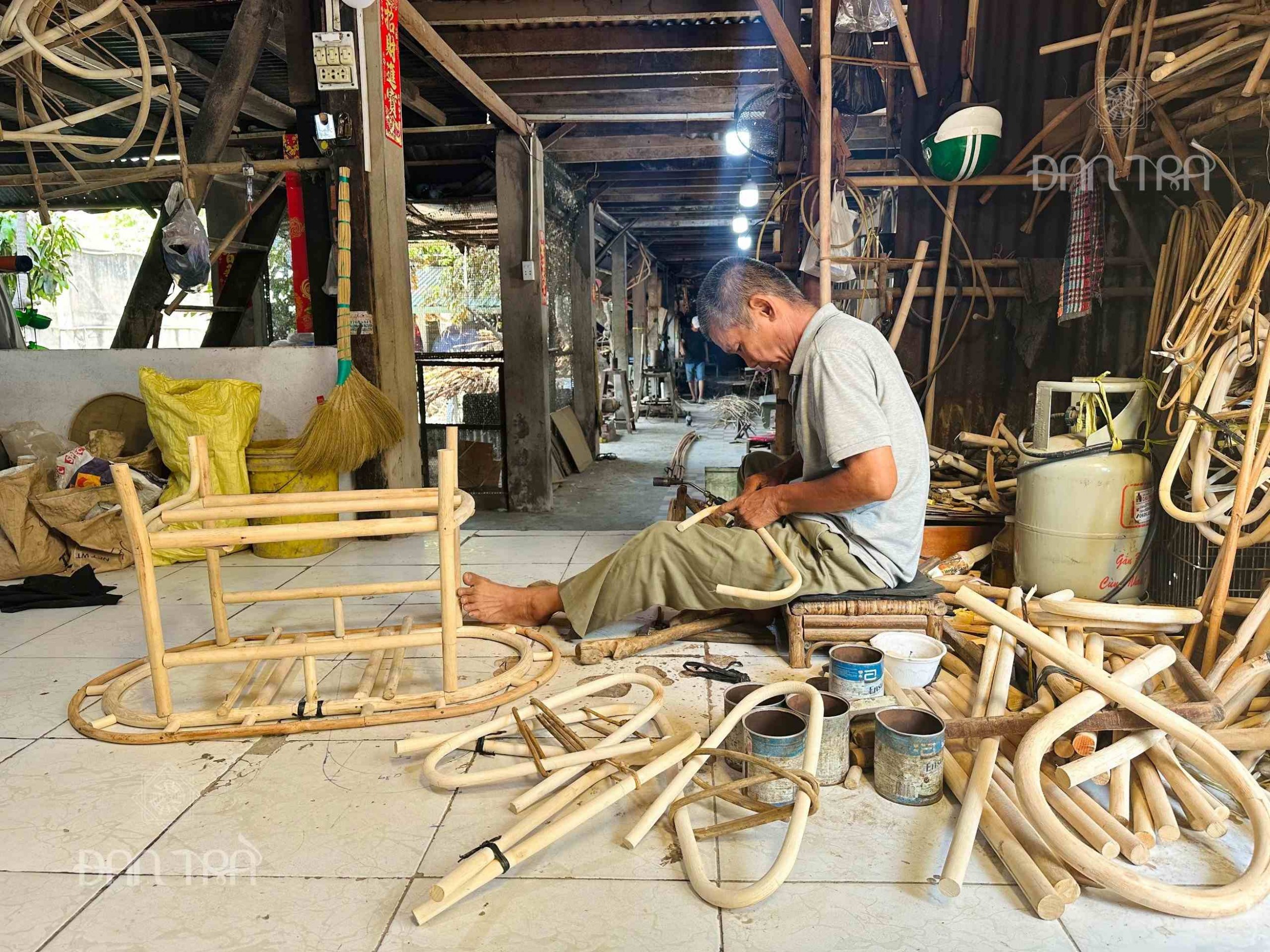
Vietnam's bamboo and rattan sector has firmly established itself as a key player in the international market for eco-friendly and artisanal products, riding the global wave of demand for sustainable and natural living solutions. This industry, deeply entrenched in Vietnam's rich cultural tapestry, showcases the country's remarkable craftsmanship, where traditional weaving techniques are passed down through generations.
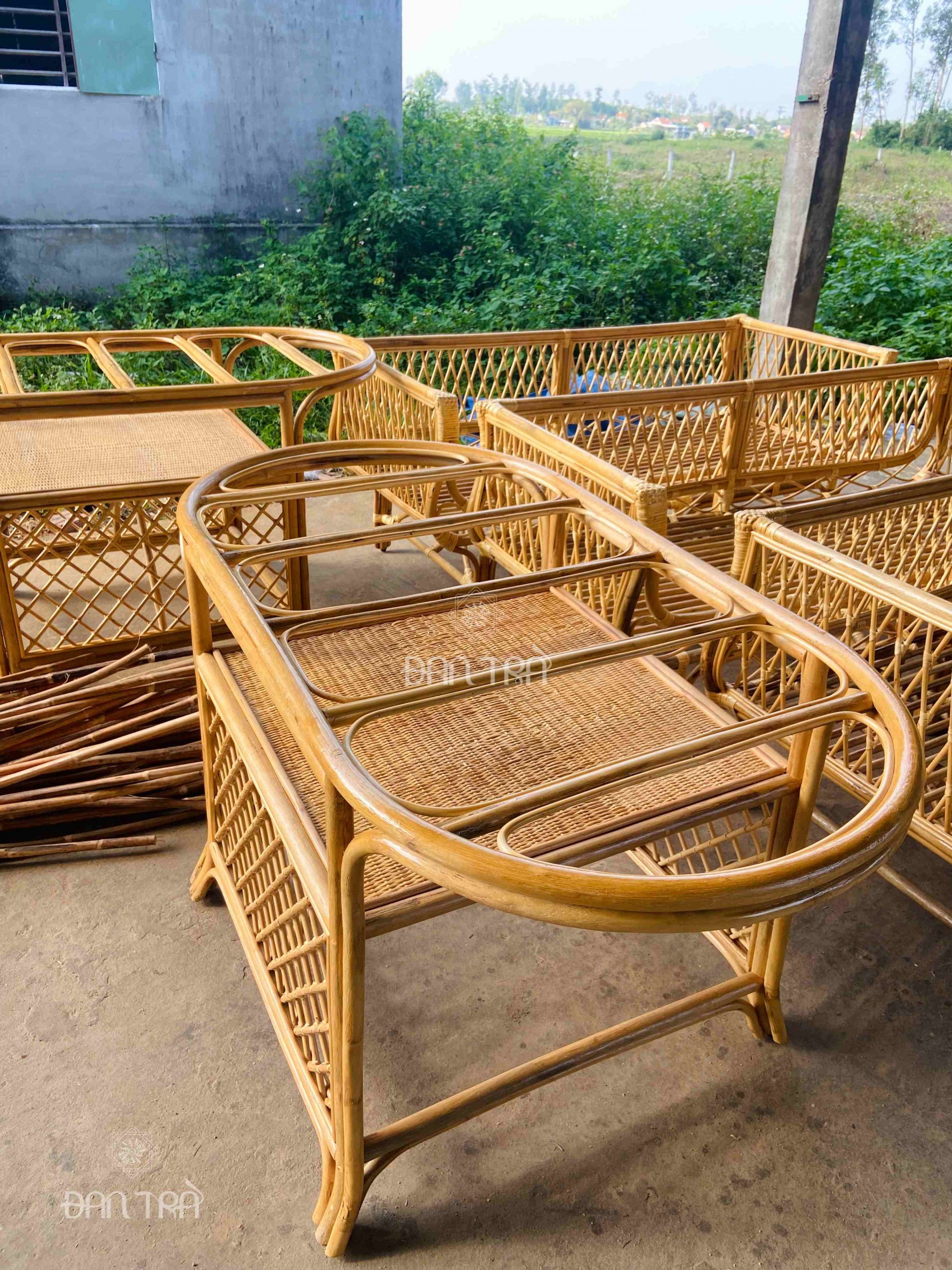
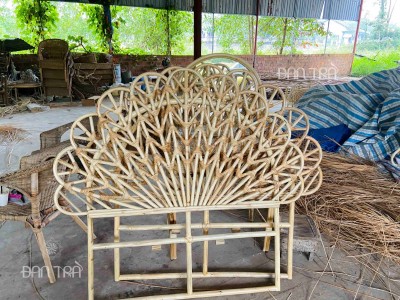
Dan Tra Rattan Furniture Company - Rattan Furniture Exporting in Viet Nam
As environmental awareness and the pursuit of sustainable lifestyles continue to gain traction worldwide, Vietnamese bamboo and rattan products have found a significant place in global homes, celebrated for their durability, eco-friendliness, and aesthetic appeal. These products, ranging from furniture to home décor, resonate with consumers seeking to infuse their spaces with a touch of nature and authenticity.
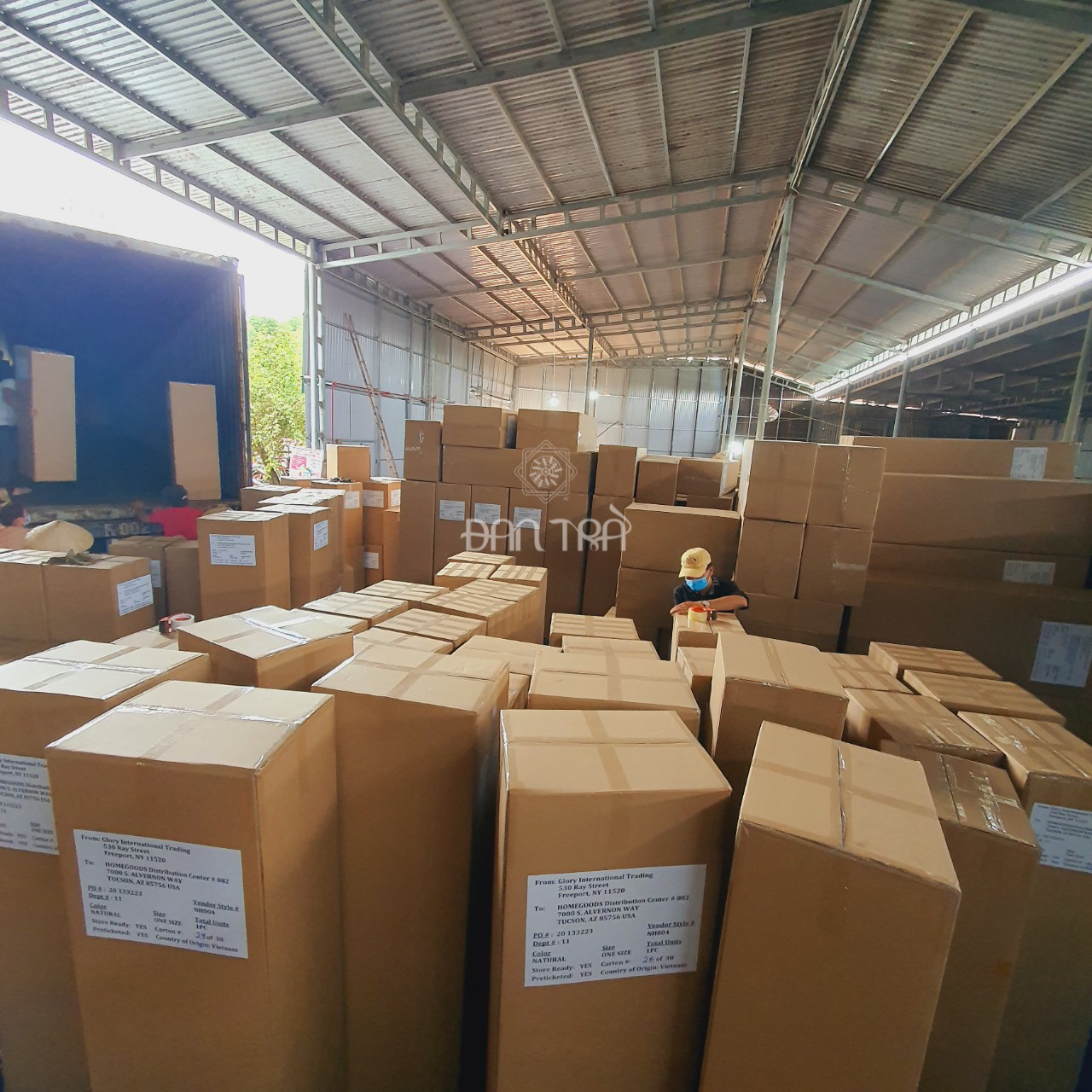
Despite its flourishing export success, the industry navigates challenges such as international competition, fluctuations in raw material prices, and the imperative for technological enhancements in production.
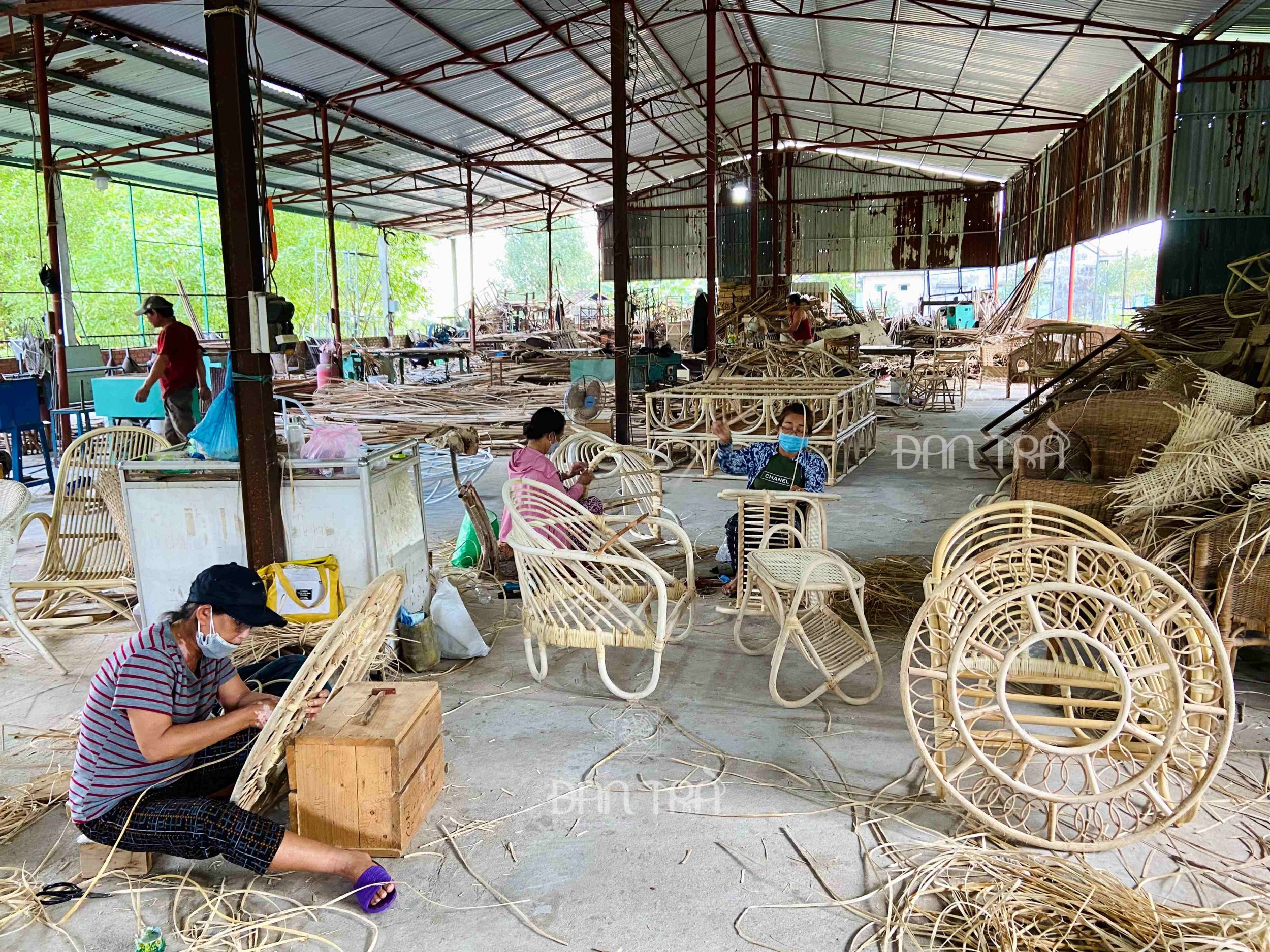
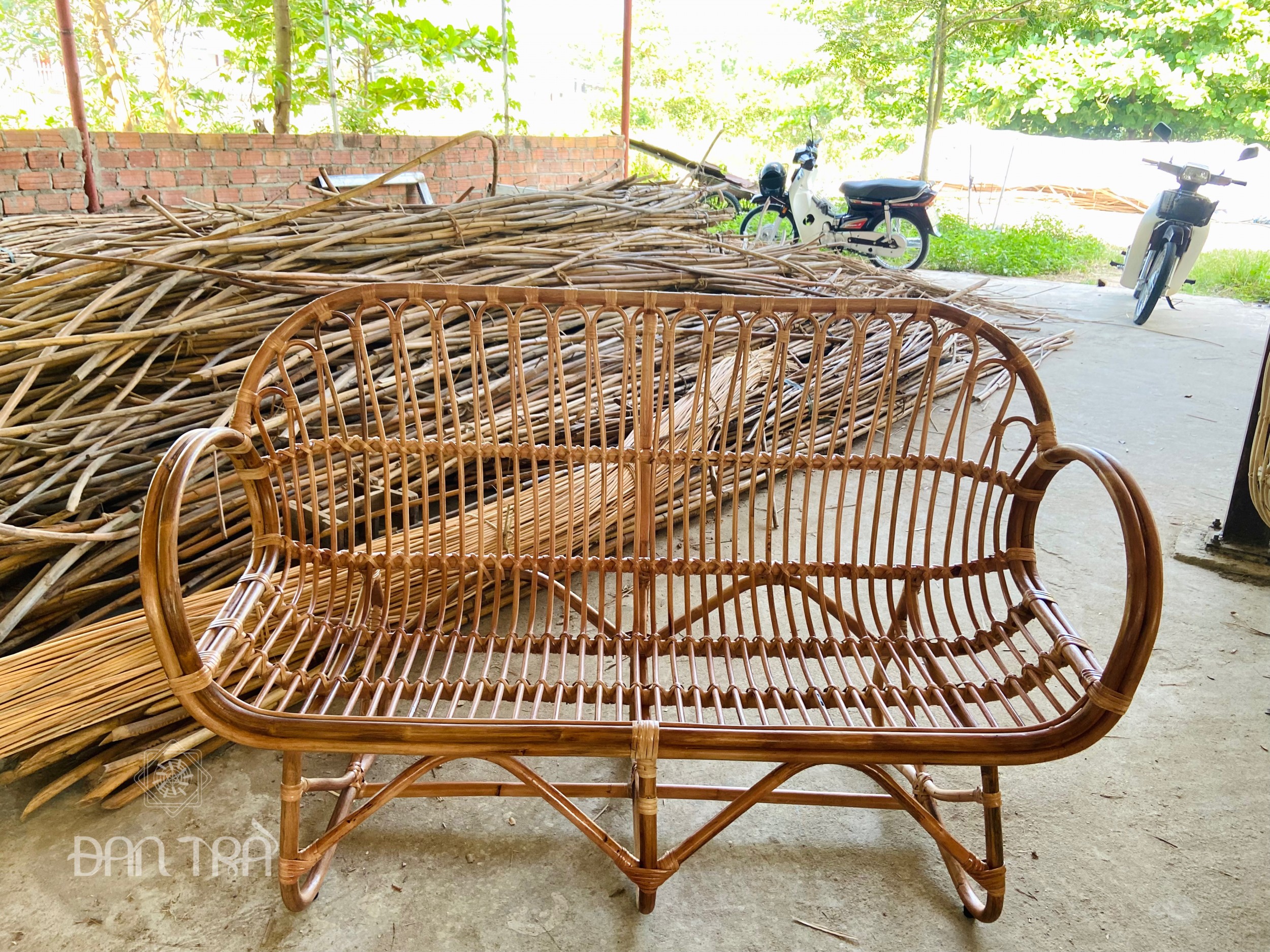
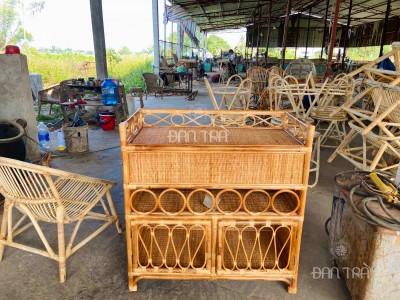
Dan Tra Rattan Furniture Company - Rattan Furniture Exporting in Viet Nam
Yet, these obstacles also pave the way for growth and innovation, pushing Vietnamese producers towards sustainable harvesting, quality improvement, and the exploration of new markets and product designs. The Vietnamese government and industry stakeholders have responded with initiatives aimed at supporting the sector's sustainable development, including policies for resource management, and efforts to bolster the global presence of Vietnamese bamboo and rattan through trade fairs and digital platforms.
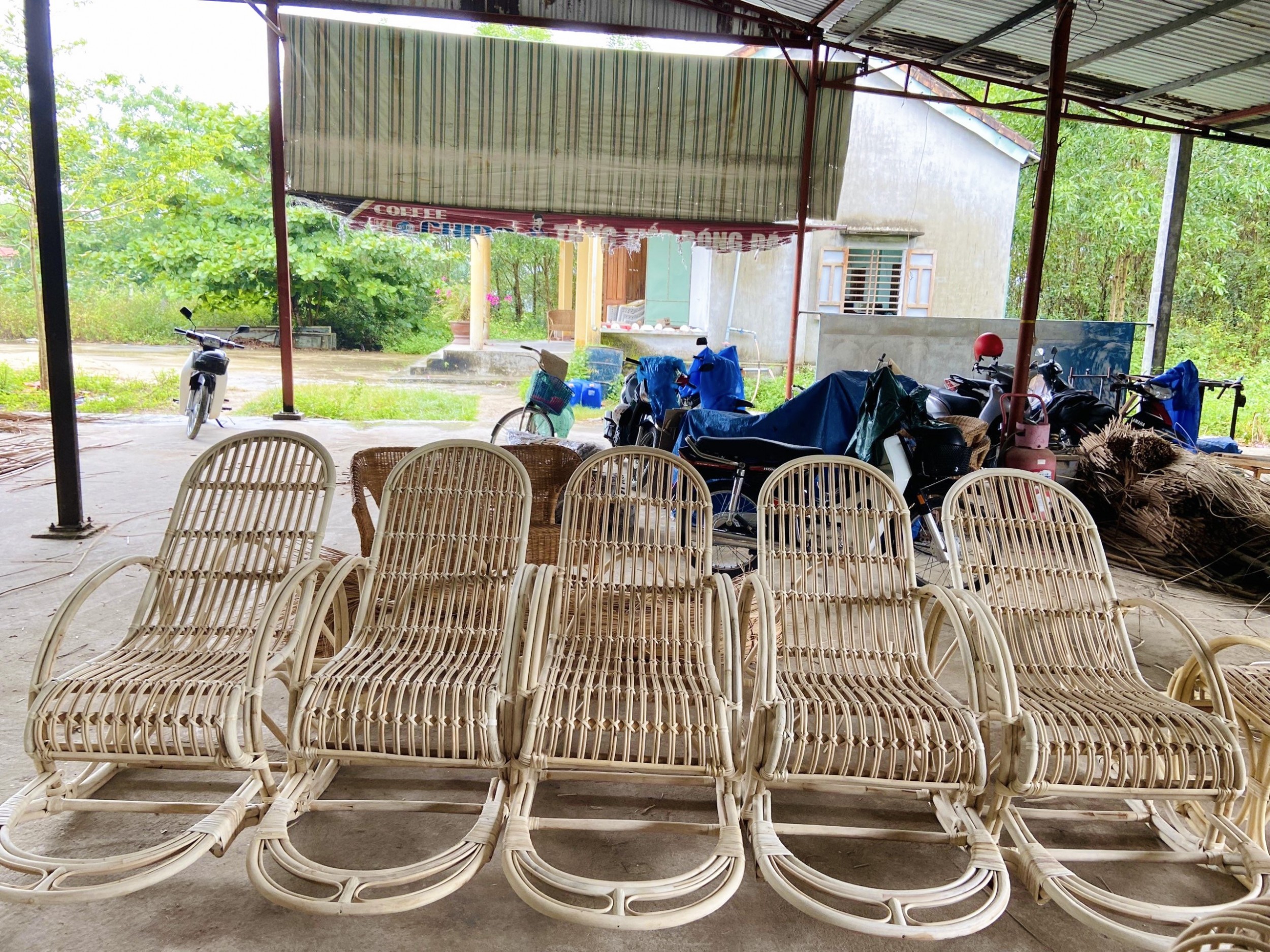
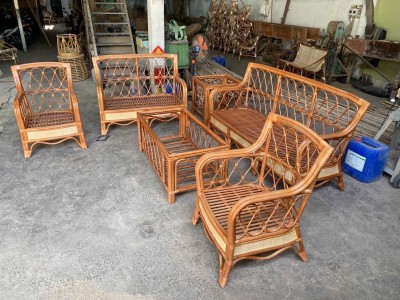
Dan Tra Rattan Furniture Company - Rattan Furniture Exporting in Viet Nam
As the world leans more towards environmentally responsible choices, Vietnam's bamboo and rattan industry is poised for continued expansion. Its success not only contributes to the nation's economic growth but also promotes the preservation of Vietnam's artisanal heritage, demonstrating a remarkable balance between tradition and modernity, sustainability, and economic development.
Dan Tra Rattan Furniture Company - Rattan Furniture Exporting in Viet Nam
The Philippines: Harnessing Heritage and Craftsmanship
The Philippines has been a key player in the bamboo and rattan export market. As of 2015, it was the world's fifth-largest exporter of these products, with exports valued at USD 34 million. The main export categories include rattan basketwork, valued at about USD 11.55 million, bamboo and rattan seats at USD 9.41 million, and raw rattan materials at USD 5.95 million. The country is home to 64 species of rattan, most of which belong to the Calamus and Daemonorops genera, showcasing its rich biodiversity and significant contribution to the global rattan trade (Inbar).
The Philippines is experiencing a notable resurgence in its rattan furniture market, driven by global trends favoring sustainable living and nature-inspired home décor. Filipino artisans, with their exceptional craftsmanship and ability to blend traditional techniques with modern designs, are at the heart of this revival. Their rattan furniture, celebrated for its eco-friendliness, durability, and unique aesthetic, meets the demand for sustainable and stylish home solutions. Despite challenges such as competition from synthetic materials, fluctuating rattan quality, and sustainability pressures, companies like NativeCraft Furnishings and RattanGrove Designs are leading the industry towards growth. These companies merge Filipino heritage with contemporary design, catering to modern consumer preferences and setting standards for quality and sustainability. As the industry evolves, its focus on sustainable practices positions it to thrive in the global market, showcasing the Philippines' rich craftsmanship and contributing to its economic development.
China: The Volume Leader with a Vision for the Future
In the dawn of the new millennium, China has emerged as a formidable economic force, increasingly asserting its dominance in the global market for rattan furniture. This rapid ascent has not only allowed China to carve out significant portions of markets traditionally held by Indonesia and the Philippines but also to set the pace in terms of trends, affordability, and quality. Chinese rattan furniture, characterized by its competitive pricing, superior quality, and swift production cycles, is on a fast track to global prominence. The agility with which China adapts to and often dictates market trends underscores a strategic advantage that could redefine market leadership in the rattan furniture industry.
As China continues to innovate and expand its reach, suppliers from the Philippines and Indonesia face a critical juncture. Without strategic adjustments and enhancements to their offerings, there's a tangible risk that they might be sidelined in the global arena by China's accelerating furniture export machine. This scenario highlights the imperative for traditional rattan furniture suppliers to evolve rapidly, leveraging their unique strengths to maintain competitiveness in a market increasingly influenced by China's economic ambitions.
Indonesia: A Hub of Rattan Diversity
Indonesia has long been renowned for its rich tradition and expertise in crafting rattan furniture, a sector that significantly contributes to the country's export economy. As one of the world's leading producers and exporters of rattan furniture, Indonesia benefits from the abundance of rattan resources available in its forests, alongside a deep-rooted heritage of craftsmanship that dates back generations. This combination has positioned Indonesia as a key player in the global market for rattan products.
The Indonesian rattan furniture industry has experienced fluctuations over the years, influenced by global economic conditions, consumer trends, and competition from other countries, notably China. Despite these challenges, Indonesia has managed to sustain its export growth through strategic diversification of its product range, focusing on both traditional and contemporary designs that appeal to a wide array of international customers. In recent years, there has been a growing emphasis on sustainability and ethical sourcing within the industry. Indonesian manufacturers have increasingly adopted eco-friendly practices, from the harvesting of rattan to the production processes. This shift not only aligns with global environmental trends but also caters to the rising demand among international consumers for products that are both sustainable and ethically produced.
Thailand: Blending Tradition with Modernity
Thailand is carving a niche for itself in the global rattan furniture market, leveraging its rich cultural heritage and a flair for innovative design. Renowned for a unique fusion of traditional craftsmanship with modern design sensibilities, Thai rattan furniture caters to a diverse international audience, offering pieces that blend seamlessly into various décor styles, from the classic to the contemporary. In response to the growing global demand for sustainable products, Thailand has prioritized environmentally friendly production practices in its rattan furniture industry. This commitment to sustainability involves ensuring that the harvesting of rattan contributes positively to environmental conservation, aligning with broader global efforts to promote eco-friendly manufacturing processes.
In a collaborative effort that spans government bodies, local artisans, and manufacturers, Thailand has embarked on initiatives designed to improve both the quality and sustainability of its rattan furniture production. These efforts have been instrumental in driving a steady increase in the country's rattan furniture exports, as they respond to the international consumers' growing preference for products that are both aesthetically pleasing and environmentally responsible.
With a keen focus on design innovation, Thailand is positioning itself to capture a more significant share of the global market. By marrying the intricate details and craftsmanship of traditional Thai artisanship with cutting-edge design trends, the country is producing rattan furniture that stands out for its beauty, durability, and sustainability.
Looking Ahead: Trends and Prospects in the Rattan Furniture Market
The global rattan furniture market is poised for continued growth, with sustainability, innovation, and design at its core. As consumers become increasingly eco-conscious, the demand for furniture that reflects these values is expected to rise. The leading exporting countries are well-positioned to capitalize on this trend, thanks to their commitment to quality, sustainability, and innovation.
Dan Tra Rattan Furniture Company - Rattan Furniture Exporting in Viet Nam
The future will likely see an increase in collaboration between countries, as they share best practices and work towards more sustainable and efficient production methods. Advances in technology and design will further elevate the appeal of rattan furniture, making it a staple in homes and businesses around the world.
In conclusion, Vietnam, the Philippines, and China, along with the emerging markets of Indonesia and Thailand, are shaping the future of the rattan furniture industry. Through their efforts, rattan furniture continues to be synonymous with beauty, durability, and sustainability, making a significant impact on the global market.
Dan Tra Rattan Furniture Company - Rattan Furniture Exporting in Viet Nam

Leave a Reply
Your email address will not be published.