
A Comprehensive Overview About Vietnam Exports and Imports
Vietnam Exports and Imports: Driving Global Trade. Vietnam's trade landscape is a vibrant tapestry of exports and imports. Key exports span electronics, textiles, and agriculture, while imports encompass machinery, petroleum, and automotive goods. This dynamic exchange underscores Vietnam's pivotal position in the global economy.
Content
In the realm of international trade, Vietnam has emerged as a formidable player, boasting a diverse array of export and import commodities that underscore its growing economic prowess. Let's delve deeper into the country's most robust export and import sectors, shedding light on the key products driving Vietnam's trade landscape.
Overall, Vietnam's export sector is diverse and dynamic, driven by innovation, competitiveness, and a strong commitment to quality. With ongoing investments in infrastructure, technology, and human capital, Vietnam is well-positioned to maintain its status as a leading exporter in the global marketplace.
In summary, Vietnam's import sector is diverse and dynamic, reflecting the country's growing economy, industrialization, and consumer demand. As Vietnam continues to integrate into the global economy and expand its trade relationships, imports will play an increasingly important role in supporting the country's economic development and industrial growth
Leading Export Products of Vietnam
Electronics and Technology Equipment
Vietnam's electronics and technology sector encompasses a wide range of products, including smartphones, computer components, semiconductors, and electronic devices. Major companies like Samsung, LG Electronics, and Foxconn have established significant manufacturing operations in Vietnam, leveraging its skilled workforce and favorable business environment. The country's electronics exports have surged in recent years, driven by increasing global demand for consumer electronics and technological innovations.Textiles and Apparel
Vietnam is a global powerhouse in the textile and apparel industry, exporting a diverse range of products such as garments, textiles, yarn, and fabric. With a robust manufacturing infrastructure and competitive labor costs, Vietnam has emerged as a preferred sourcing destination for international fashion brands and retailers. The country's textile exports benefit from preferential trade agreements, efficient supply chains, and a skilled workforce, enabling it to maintain a strong presence in global markets.Footwear and Leather Goods
Vietnam is among the world's largest exporters of footwear and leather goods, renowned for its high-quality products and competitive pricing. The country's footwear industry encompasses a wide range of products, including shoes, sandals, boots, and athletic footwear, catering to diverse consumer preferences worldwide. Vietnam's footwear exports are supported by advanced manufacturing technologies, skilled craftsmanship, and adherence to international quality standards, positioning it as a key player in the global footwear market.Agricultural Products
Vietnam's agricultural sector is a major contributor to its export revenue, with key products including coffee, rice, seafood, fruits, and vegetables. As one of the world's leading coffee producers, Vietnam exports a significant portion of its coffee beans to markets around the globe, capitalizing on its favorable climate conditions and extensive cultivation areas. Additionally, Vietnam's rice exports are renowned for their quality and diversity, serving as a staple food source for millions of people worldwide. The country's agricultural exports are supported by modern farming practices, efficient supply chains, and a strong commitment to sustainability.Machinery and Equipment
Vietnam's machinery and equipment exports encompass a wide range of products, including industrial machinery, construction equipment, agricultural machinery, and electrical machinery. The country's manufacturing sector has experienced rapid growth in recent years, driven by investments in infrastructure development, industrialization, and technological advancements. Vietnam's machinery exports are characterized by high-quality products, competitive pricing, and adherence to international standards, making them sought after in global markets.Wood and Wood Products
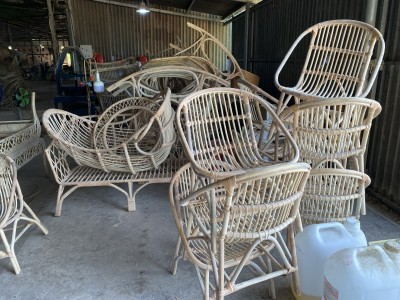
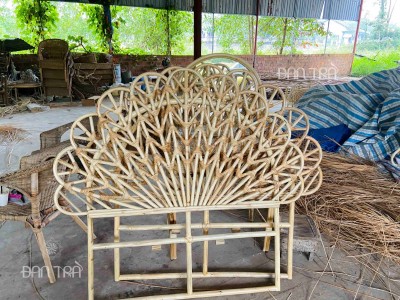
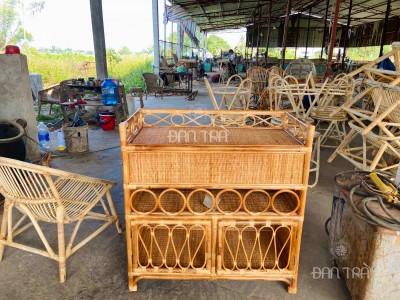
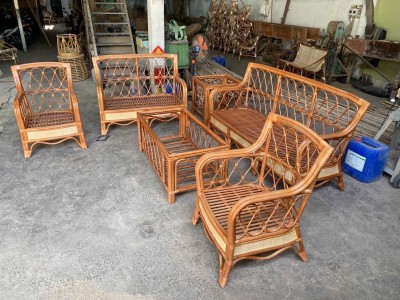
Vietnam is a leading exporter of wood and wood products, including furniture, plywood, flooring, and wooden handicrafts. The country's abundant forest resources, skilled workforce, and advanced manufacturing capabilities have contributed to its success in the wood industry. Vietnam's wood exports are valued for their durability, craftsmanship, and sustainable sourcing practices, appealing to customers worldwide.Overall, Vietnam's export sector is diverse and dynamic, driven by innovation, competitiveness, and a strong commitment to quality. With ongoing investments in infrastructure, technology, and human capital, Vietnam is well-positioned to maintain its status as a leading exporter in the global marketplace.
Major Import Products of Vietnam
Machinery and Equipment
Vietnam's demand for machinery and equipment is fueled by its growing industrialization and infrastructure development. The country imports a wide range of machinery, including industrial machinery, construction equipment, agricultural machinery, and electrical machinery. These imports support various sectors such as manufacturing, construction, agriculture, and energy production, enabling Vietnam to meet its domestic demand for advanced technologies and equipment.Electronics and Technology Products
Despite being a major exporter of electronics, Vietnam also imports a significant amount of electronics and technology products to meet domestic demand and support its manufacturing sector. Key imports include electronic components, consumer electronics, telecommunications equipment, and semiconductor devices. These imports play a crucial role in supporting Vietnam's burgeoning electronics industry and ensuring the availability of essential technologies for businesses and consumers.Petroleum and Petroleum Products
Vietnam relies heavily on imported petroleum and petroleum products to meet its energy needs. The country imports crude oil, refined petroleum products, and natural gas to fuel its transportation, manufacturing, and power generation sectors. Vietnam's growing economy and industrialization have led to an increase in energy consumption, driving demand for imported petroleum products from countries such as Russia, the Middle East, and Southeast Asia.Plastics and Plastic Products
Vietnam's plastic industry is heavily reliant on imported raw materials and finished products to meet domestic demand and support its manufacturing sector. The country imports a wide range of plastics, including polymers, resins, plastic packaging, and plastic products. These imports are used in various industries such as packaging, construction, automotive, and consumer goods manufacturing, driving demand for imported plastic materials and products.Chemicals and Chemical Products
Vietnam imports a diverse range of chemicals and chemical products to support its manufacturing, agriculture, healthcare, and consumer goods industries. Key imports include fertilizers, pesticides, pharmaceuticals, industrial chemicals, and specialty chemicals. These imports play a vital role in enhancing agricultural productivity, manufacturing processes, and healthcare services, contributing to Vietnam's economic development and industrial growth.Iron and Steel
Vietnam imports a significant amount of iron and steel products to meet domestic demand for construction materials, manufacturing inputs, and infrastructure projects. The country imports various iron and steel products, including steel sheets, coils, bars, rods, and structural steel. These imports are used in construction projects, automotive manufacturing, machinery production, and infrastructure development, supporting Vietnam's rapid urbanization and industrialization.Automobiles and Automotive Parts
Vietnam's growing economy and rising middle-class population have fueled demand for automobiles and automotive parts. The country imports a wide range of vehicles, including passenger cars, commercial vehicles, and motorcycles, as well as automotive components and spare parts. These imports cater to domestic consumer demand for transportation and support Vietnam's automotive manufacturing sector, which includes assembly plants operated by both domestic and international automakers.Textiles and Apparel
Despite being a major exporter of textiles and apparel, Vietnam also imports a significant amount of textile raw materials, fabrics, and apparel accessories to support its garment industry. The country imports cotton, yarn, fabrics, buttons, zippers, and other textile inputs from countries such as China, India, and South Korea. These imports are essential for meeting the diverse needs of Vietnam's garment manufacturers and ensuring the quality and competitiveness of their products in the global market.In summary, Vietnam's import sector is diverse and dynamic, reflecting the country's growing economy, industrialization, and consumer demand. As Vietnam continues to integrate into the global economy and expand its trade relationships, imports will play an increasingly important role in supporting the country's economic development and industrial growth
Vietnam's Role in Global Trade: An In-depth Analysis
- Shift from China to Vietnam: With China facing escalating production costs and complexities in regulatory environments, many companies are redirecting their manufacturing operations to Vietnam. This transition is evident in regions like China's Pearl River Delta, which was historically a manufacturing powerhouse but has now become less viable due to rising expenses.
- Trade Agreements and Economic Policies: Vietnam's proactive approach to trade agreements and economic policies has bolstered its attractiveness to businesses. Agreements such as the Regional Comprehensive Economic Partnership (RCEP), the EU-Vietnam Free Trade Agreement (EVFTA), and the UK-Vietnam Free Trade Agreement (UKVFTA) have expanded market access and streamlined trade processes, encouraging international investment.
- Strategic Location: Situated in the heart of Southeast Asia, Vietnam serves as an ideal export hub to reach neighboring ASEAN markets. Its strategic position enables businesses to efficiently distribute goods across the region, capitalizing on the growing consumer demand in Southeast Asia.
- Low-Cost Manufacturing and Skilled Workforce: Vietnam's manufacturing sector is renowned for its cost-effectiveness, with labor costs approximately 50% lower than those in China. Furthermore, the country boasts a young and increasingly skilled workforce, providing businesses with a competitive edge in terms of productivity and efficiency.
- Investor-Friendly Environment: In recent years, Vietnam has implemented various measures to enhance its investment climate. Reforms in the financial sector, streamlined business regulations, and workforce development initiatives have created an investor-friendly ecosystem conducive to business growth and expansion.
- Diversified Export Portfolio: Vietnam's export portfolio spans a wide range of industries, from textiles and electronics to pharmaceuticals and automotive products. This diversification mitigates risks associated with over-reliance on any single sector and ensures a resilient export economy.
- Rising Consumer Market: Vietnam's domestic consumer market is experiencing robust growth, driven by a burgeoning middle class and increasing disposable incomes. This trend not only fuels domestic consumption but also presents lucrative opportunities for foreign businesses looking to tap into Vietnam's consumer base.
- Investments in High-Technology Manufacturing: Beyond traditional industries, Vietnam is making strides in high-technology manufacturing, attracting investments from global giants like Samsung, LG Electronics, and Intel. These investments signify Vietnam's transition towards becoming a hub for advanced manufacturing and innovation.
- E-commerce Boom: Vietnam's burgeoning e-commerce sector is another key driver of economic growth. The rapid expansion of digital retail, coupled with increasing internet penetration and smartphone adoption, has created a thriving online marketplace, presenting ample opportunities for businesses to engage with tech-savvy consumers.

Leave a Reply
Your email address will not be published.